
Why Ongoing Technical Support and Maintenance Are Critical for Website Performance
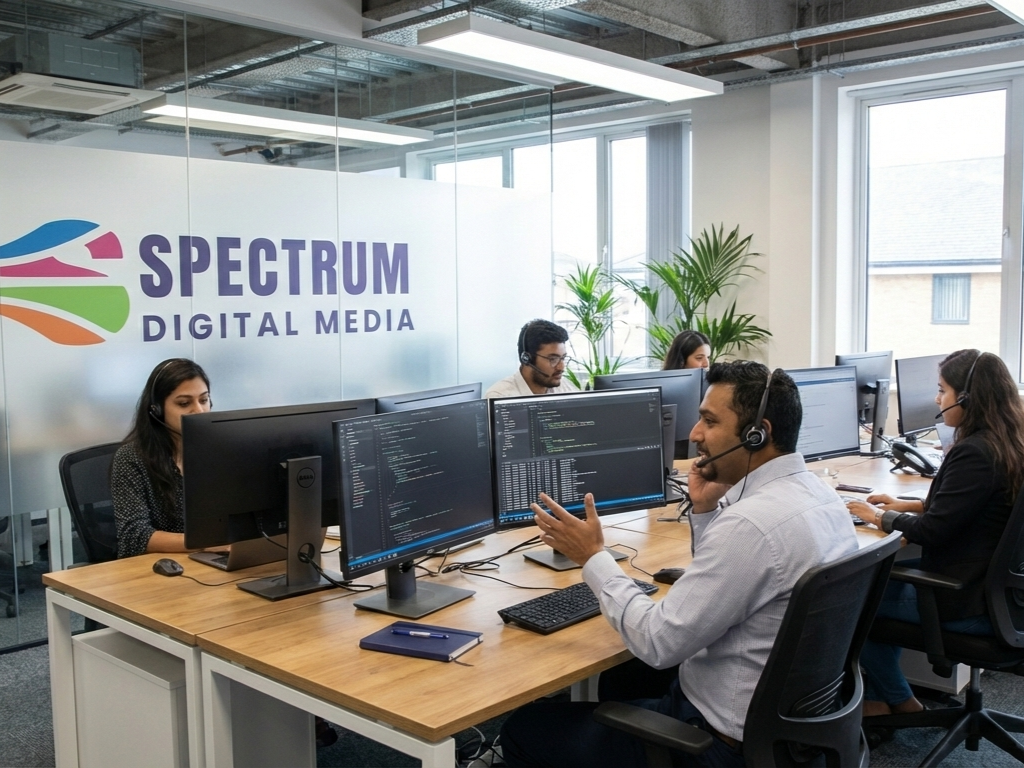
Introduction Launching a website is a major milestone for any business, but it is not the end of the digital journey. Many businesses assume that once a website goes live, it will continue to perform smoothly on its own. In reality, websites require continuous technical support and maintenance to remain secure, fast, and effective. This article explains why ongoing technical support and maintenance are essential for website performance and how businesses benefit from long-term website care. What Is Website Maintenance and Technical Support? Website maintenance and technical support involve the regular monitoring, updating, and optimisation of a website to ensure it performs correctly at all times. This includes both preventive actions and problem resolution. Key areas of website maintenance include: Security updates and monitoring Software and plugin updates Performance optimisation Backup and recovery Bug fixes and technical troubleshooting Together, these activities help keep websites stable, secure, and user-friendly. Why Website Maintenance Is Often Overlooked Many businesses focus heavily on website design and development but underestimate the importance of maintenance. This usually happens because: Issues are not visible immediately Websites appear functional at launch Maintenance is seen as an optional cost However, neglecting maintenance can lead to serious problems over time, affecting performance, security, and user trust. Importance of Ongoing Technical Support Prevents Security Risks Websites are frequent targets for cyber threats such as malware, hacking attempts, and data breaches. Outdated software and plugins increase vulnerability. Regular security monitoring and updates help: Protect user data Prevent unauthorised access Maintain website credibility Security is especially critical for business websites handling customer information or online transactions. Ensures Website Stability Technical issues can occur at any time, including broken links, form errors, or server problems. Without support, these issues can remain unresolved and negatively impact user experience. Ongoing technical support ensures: Quick issue resolution Minimal downtime Smooth website functionality Stable websites build trust and reliability. Impact of Maintenance on Website Performance Improves Loading Speed Website speed plays a key role in both user experience and search engine rankings. Over time, unused files, outdated code, and unoptimised images can slow a website down. Regular performance optimisation helps: Improve page loading times Reduce bounce rates Enhance user engagement Faster websites keep visitors interested and support higher conversions. Supports SEO Performance Search engines favour websites that are technically sound and regularly updated. Maintenance tasks such as fixing broken links, improving site speed, and ensuring mobile compatibility directly impact SEO. Well-maintained websites: Rank better in search results Provide a better user experience Meet search engine technical standards SEO and maintenance work together to support long-term visibility. Importance of Regular Updates Websites rely on various technologies, including content management systems, themes, and plugins. These tools are updated regularly to improve functionality and security. Ignoring updates can result in: Compatibility issues Security vulnerabilities Performance problems Regular updates ensure your website remains compatible with modern browsers and devices. Backup and Recovery Protection Unexpected issues such as server failures, hacking, or human errors can lead to data loss. Without backups, recovering a website can be difficult or impossible. Ongoing maintenance includes: Regular website backups Secure data storage Quick recovery options Backups provide peace of mind and protect businesses from major disruptions. Enhancing User Experience Through Maintenance User experience does not remain static. User expectations, devices, and technologies change over time. Maintenance helps improve user experience by: Fixing broken features Ensuring mobile responsiveness Updating outdated content or layouts A smooth and error-free experience keeps users engaged and encourages repeat visits. Cost Benefits of Preventive Maintenance Many businesses delay maintenance until problems arise. However, reactive fixes often cost more than preventive care. Regular maintenance: Reduces the risk of major failures Prevents expensive emergency fixes Saves time and resources in the long run Preventive maintenance is a cost-effective approach to website management. Role of Professional Technical Support Professional technical support ensures websites are monitored and maintained by experts who understand system architecture, security risks, and performance requirements. Professional support includes: Proactive monitoring Expert troubleshooting Performance and security optimisation Ongoing improvements This allows businesses to focus on growth while technical experts handle website health. Maintenance for Growing Businesses As businesses grow, their websites often expand with new features, content, and integrations. Maintenance ensures these additions work smoothly without affecting performance. Scalable maintenance supports: Website upgrades Feature enhancements Long-term digital growth A maintained website can adapt to changing business needs more easily. Final Thoughts Ongoing technical support and maintenance are essential for keeping a website secure, fast, and reliable. A well-maintained website not only performs better but also supports SEO, user experience, and business credibility. Rather than treating maintenance as an afterthought, businesses should view it as a long-term investment in digital success. With the right technical support, a website becomes a powerful, stable asset that continues to deliver value over time.
The Importance of a Strong Digital Presence for Modern Businesses

Introduction In today’s competitive market, having a strong digital presence is no longer optional—it is essential. Customers now search online before making purchasing decisions, comparing brands, reading reviews, and evaluating credibility. Businesses that fail to establish a solid online presence risk losing visibility, trust, and potential revenue. A well-planned digital strategy helps businesses connect with their audience, build authority, and achieve long-term growth. This article explains why a strong digital presence matters, what it includes, and how businesses can use it to grow sustainably in local and global markets. What Is a Digital Presence? A digital presence refers to how a business appears and interacts online. It includes all digital touchpoints where customers can find, learn about, and engage with a brand. This goes beyond just having a website. A strong digital presence typically includes: A professional, responsive website Search engine visibility through SEO Active social media profiles Consistent brand messaging User-focused design and content Reliable technical performance Together, these elements create a complete online experience that builds trust and encourages customer action. Why Digital Presence Is Crucial for Business Growth 1. Customers Search Online First Most customers begin their journey online. Whether they are looking for products, services, or solutions, search engines and social platforms are the first stop. If your business does not appear in search results or looks outdated, potential customers may choose a competitor instead. A strong digital presence ensures your business is visible when customers are actively searching for what you offer. 2. Builds Trust and Credibility A professional website, clear messaging, and consistent branding instantly increase trust. Customers often judge a business based on its online appearance. Poor design, slow loading times, or missing information can raise doubts. On the other hand, a clean, fast, and informative website combined with active social media and positive engagement builds confidence and credibility. 3. Supports 24/7 Accessibility Unlike physical locations, digital platforms operate around the clock. Your website and online channels allow customers to learn about your business, explore services, and contact you at any time. This constant accessibility increases opportunities for leads, enquiries, and conversions without additional operational costs. Key Elements of a Strong Digital Presence High-Performance Website Your website is the foundation of your digital presence. It should be: Fast and secure Mobile-friendly Easy to navigate Optimised for search engines Designed to convert visitors into leads A well-built website acts as a central hub for all digital activities. Search Engine Optimisation (SEO) SEO helps your business rank higher in search results, making it easier for customers to find you organically. This includes: Keyword-optimised content Technical website optimisation Local and global SEO strategies Ongoing performance tracking Effective SEO drives long-term traffic and reduces dependence on paid advertising. Social Media Presence Social media platforms help businesses engage directly with their audience. They allow brands to: Share updates and content Build relationships Improve brand awareness Support marketing campaigns Consistency and strategy are key to using social media effectively. Content That Adds Value Content plays a major role in attracting and retaining customers. Blogs, service pages, videos, and visuals help educate users and position your brand as an authority. Quality content improves SEO, builds trust, and encourages users to take action. Benefits of a Strong Digital Presence Increased Brand Visibility A well-managed digital presence ensures your business appears across multiple platforms, increasing reach and recognition. Better Lead Generation Optimised websites and digital strategies guide users toward enquiries, calls, or form submissions. Cost-Effective Marketing Compared to traditional marketing, digital channels offer better targeting, measurable results, and higher return on investment. Scalability for Growth Digital platforms allow businesses to expand into new regions and markets without significant infrastructure costs. Common Mistakes Businesses Make Many businesses struggle with digital presence due to: Outdated or slow websites Lack of SEO strategy Inconsistent branding Ignoring mobile users No performance tracking Avoiding these mistakes requires professional planning and ongoing optimisation. How Professional Digital Services Help Working with a digital agency ensures your online presence is built strategically. Professional services cover: Website development and optimisation UI/UX design SEO and content strategy Social media marketing Technical support and maintenance This integrated approach delivers consistent results and long-term value. Final Thoughts A strong digital presence is the foundation of modern business success. It improves visibility, builds trust, and supports continuous growth in competitive markets. Businesses that invest in professional digital solutions position themselves for sustainable success, while those that delay risk falling behind. Building a digital presence is not a one-time task—it is an ongoing process that evolves with customer behavior, technology, and market trends.
How a Well-Designed Website Helps Convert Visitors into Customers

Introduction A website is often the first interaction a customer has with a business. While driving traffic to a website is important, traffic alone does not guarantee results. The real success of a website lies in its ability to convert visitors into leads, enquiries, or customers. A well-designed website combines visual appeal, usability, performance, and strategy to guide users toward action. In this article, we explore how effective website design influences user behaviour and how businesses can improve conversions through smart design choices. Understanding Website Conversion Website conversion refers to a visitor completing a desired action. This action can vary depending on business goals, such as: Submitting a contact form Calling or messaging the business Requesting a quote Making a purchase Signing up for a newsletter A high-converting website is designed with these goals in mind from the beginning. Why Design Matters More Than Ever Users form an opinion about a website within seconds. If the design looks outdated, cluttered, or confusing, visitors are more likely to leave without taking action. Design directly impacts: First impressions Trust and credibility Ease of navigation Decision-making speed A professional design builds confidence and keeps users engaged. Key Design Elements That Improve Conversions Clear and Focused Layout A clean layout helps users find information quickly. Too many elements, colours, or messages can overwhelm visitors and reduce clarity. Effective layouts: Use white space to improve readability Highlight important sections clearly Guide the user’s eye naturally through the page A structured layout keeps users focused on the main objective. User-Friendly Navigation Navigation should be simple and intuitive. Visitors should be able to access key pages without confusion. Good navigation: Uses clear menu labels Keeps important pages easily accessible Works smoothly on desktop and mobile When users find what they need easily, they are more likely to stay and convert. Mobile-Responsive Design A large percentage of users browse websites on mobile devices. If a website does not function properly on smaller screens, potential customers may leave immediately. Mobile-responsive design ensures: Easy scrolling and reading Touch-friendly buttons Fast loading on mobile networks Mobile optimisation is essential for both conversions and search engine rankings. Fast Loading Speed Website speed plays a critical role in user experience. Slow-loading pages frustrate visitors and increase bounce rates. A fast website: Keeps users engaged Improves trust Supports better SEO performance Optimising images, code, and hosting improves overall speed and conversion potential. The Role of UI and UX in Conversion User Interface (UI) UI focuses on visual elements such as buttons, typography, colours, and icons. A consistent and attractive UI makes the website visually appealing and easy to interact with. Strong UI design: Highlights calls to action Uses readable fonts Maintains brand consistency User Experience (UX) UX focuses on how users feel while navigating the website. It considers user behaviour, expectations, and ease of interaction. Good UX design: Reduces friction in user journeys Anticipates user needs Creates a smooth flow from entry to action When users enjoy the experience, conversions naturally increase. Importance of Clear Calls to Action (CTAs) CTAs guide users on what to do next. Without clear CTAs, visitors may browse but never take action. Effective CTAs: Use simple and direct language Stand out visually Appear at the right moments Examples include “Get Started,” “Request a Quote,” or “Contact Us.” Content That Supports Conversion Content should not only inform but also persuade. Well-written content addresses user problems, explains solutions, and builds trust. High-converting content: Focuses on benefits, not just features Uses clear and concise language Answers common customer questions Combining content with design creates a powerful conversion tool. Trust-Building Elements Visitors are more likely to convert when they trust a website. Trust signals reassure users that the business is reliable and professional. Common trust elements include: Testimonials and reviews Clear contact information Professional branding Secure website indicators These elements reduce hesitation and encourage action. Measuring and Improving Conversions Conversion optimisation is an ongoing process. Businesses should track performance using analytics tools to understand user behaviour. Key metrics include: Bounce rate Time on page Conversion rate User flow Regular testing and optimisation help improve results over time. Why Professional Website Design Matters A professionally designed website combines strategy, design, and technology. Experts understand how to align business goals with user behaviour, ensuring better performance and measurable outcomes. Professional website development includes: Strategic planning UI/UX optimisation SEO-friendly structure Ongoing support and improvements This approach delivers long-term value rather than short-term fixes. Final Thoughts A well-designed website is more than a digital brochure—it is a powerful conversion tool. By focusing on usability, performance, and user experience, businesses can turn visitors into loyal customers. Investing in professional website design helps create a strong digital foundation that supports growth and success in competitive markets.
Why SEO Is Essential for Long-Term Business Growth

Introduction In a digital-first world, visibility is everything. No matter how good a product or service is, it cannot generate results if customers cannot find it online. This is where Search Engine Optimisation (SEO) plays a critical role. SEO is not just a marketing tactic—it is a long-term growth strategy that helps businesses attract the right audience, build credibility, and achieve sustainable results. This article explains why SEO is essential for long-term business growth and how businesses can benefit from a well-planned SEO strategy. What Is SEO? Search Engine Optimisation is the process of improving a website’s visibility on search engines like Google. The goal of SEO is to rank higher for relevant search terms so that potential customers can find your business organically. SEO includes multiple components, such as: Keyword research On-page optimisation Technical SEO Content optimisation Local and global SEO strategies When done correctly, SEO drives consistent and high-quality traffic over time. Why SEO Matters More Than Paid Advertising Paid advertising can deliver quick results, but the moment the budget stops, visibility disappears. SEO, on the other hand, focuses on long-term performance. Key advantages of SEO over paid ads include: Sustainable traffic growth Higher trust from users Better return on investment over time Long-lasting visibility Businesses that invest in SEO build a strong digital asset rather than relying solely on short-term campaigns. How SEO Supports Long-Term Growth Consistent Organic Traffic SEO helps businesses appear in search results when users are actively looking for products or services. This traffic is highly relevant and more likely to convert. Unlike ads, organic traffic continues to flow even when marketing spend is reduced, making SEO a cost-effective long-term solution. Builds Brand Authority and Trust Users tend to trust businesses that appear at the top of search results. Higher rankings signal credibility, reliability, and relevance. By consistently publishing quality content and optimising your website, SEO helps position your brand as an authority in your industry. Attracts the Right Audience SEO targets users based on search intent. This means visitors coming through search engines already have a problem or need that your business can solve. Targeting the right audience results in: Higher engagement Better conversion rates Reduced bounce rates Core Components of an Effective SEO Strategy Keyword Research Keyword research identifies the terms and phrases potential customers use when searching online. Selecting the right keywords ensures your content matches user intent. Effective keyword research considers: Search volume Competition User intent Relevance to business goals On-Page SEO On-page SEO focuses on optimising individual pages to improve rankings. This includes: Optimised headings and content Meta titles and descriptions Internal linking Image optimisation Well-structured pages help search engines understand and rank your content accurately. Technical SEO Technical SEO ensures your website performs well behind the scenes. It focuses on factors such as: Website speed Mobile responsiveness Secure connections (HTTPS) Crawlability and indexing A technically sound website provides a better user experience and supports higher rankings. Content Optimisation Content is at the heart of SEO. Search engines prioritise websites that provide useful, relevant, and well-structured information. High-quality content: Answers user questions Solves problems Keeps visitors engaged Encourages sharing and linking Regular content updates help maintain rankings and relevance. Local and Global SEO Benefits For businesses targeting specific regions, local SEO improves visibility in location-based searches. This is especially important for service-based businesses. For global reach, international SEO helps target audiences across different regions by optimising content, structure, and targeting strategies. Both approaches help businesses expand reach and attract the right customers. SEO and User Experience Modern SEO goes beyond keywords. Search engines now focus heavily on user experience. Factors like page speed, navigation, and mobile usability directly impact rankings. A good user experience: Keeps visitors on the site longer Reduces bounce rates Improves conversion rates SEO and UX work together to deliver better results. Measuring SEO Success SEO performance should be tracked regularly to ensure progress. Key metrics include: Organic traffic growth Keyword rankings Conversion rates User engagement Tracking these metrics helps businesses refine strategies and improve results over time. Why Professional SEO Services Matter SEO is complex and constantly evolving. Professional SEO services ensure strategies are aligned with best practices and search engine guidelines. Professional SEO includes: Data-driven strategies Ethical white-hat practices Ongoing optimisation and reporting Adaptation to algorithm changes This approach protects businesses from penalties and delivers sustainable growth. Final Thoughts SEO is a powerful long-term investment for businesses that want consistent visibility and growth. By focusing on quality content, technical performance, and user experience, SEO helps businesses build authority, attract the right audience, and achieve lasting results. In an increasingly competitive digital landscape, SEO is not optional—it is essential.
The Role of UI and UX Design in Creating Better Customer Experiences

Introduction In the digital world, user experience plays a major role in determining whether a business succeeds or fails online. Even the most powerful website or application can struggle if users find it confusing, slow, or difficult to navigate. This is where UI (User Interface) and UX (User Experience) design become essential. Together, they shape how users interact with digital platforms and how they feel while doing so. This article explores the role of UI and UX design in creating better customer experiences and explains why businesses should prioritise user-focused design. Understanding UI and UX Design What Is UI Design? UI design focuses on the visual and interactive elements of a digital product. It includes everything users see and interact with on the screen, such as: Buttons and icons Typography and colours Layout and spacing Visual consistency A good UI design makes a platform visually appealing and easy to use. What Is UX Design? UX design focuses on the overall experience a user has while interacting with a product. It looks at how users navigate, how easily they find information, and how smoothly they complete tasks. UX design considers: User behaviour and expectations Navigation flow Ease of interaction Accessibility and usability While UI is about appearance, UX is about experience. Why UI and UX Matter for Businesses First Impressions Influence Decisions Users form opinions about a website or app within seconds. A clean, modern interface instantly builds trust, while a cluttered or outdated design can drive users away. Strong UI and UX design help businesses create positive first impressions that encourage users to explore further. Improves Customer Satisfaction When users can easily find what they need and complete actions without frustration, satisfaction increases. A smooth experience makes customers more likely to return and recommend the brand. Good UX design removes friction and improves overall customer perception. Increases Engagement and Retention User-friendly platforms encourage users to spend more time engaging with content, services, or products. Clear navigation and intuitive design keep users interested and reduce drop-offs. Higher engagement often leads to better conversion rates and long-term loyalty. Key Elements of Effective UI and UX Design User-Centered Design Approach Effective UI and UX design start with understanding the user. This includes researching user needs, goals, and challenges before designing solutions. A user-centered approach ensures the design aligns with real user behaviour rather than assumptions. Clear Navigation and Structure Navigation should be simple, logical, and consistent. Users should be able to move through a website or app without confusion. Clear menus, well-organised pages, and intuitive links improve usability and reduce frustration. Consistent Visual Design Consistency in colours, fonts, and layout helps users feel comfortable and confident while navigating a platform. It also strengthens brand identity. A consistent design system improves recognition and professionalism. Accessibility and Inclusivity UI and UX design should be accessible to all users, including those with disabilities. This includes readable text, proper contrast, and keyboard-friendly navigation. Accessible design expands reach and ensures a positive experience for a wider audience. UI and UX Design and Conversion Rates Design directly impacts how users take action. Well-placed buttons, clear calls to action, and logical page flow guide users toward desired outcomes. Good design helps users: Understand value quickly Navigate without confusion Complete forms or purchases easily This leads to higher conversion rates and better business results. The Role of Mobile UX With mobile usage continuing to grow, mobile UX is more important than ever. Designs must adapt to smaller screens while maintaining usability. Mobile-focused UX ensures: Easy scrolling and reading Touch-friendly elements Fast loading times A strong mobile experience supports both customer satisfaction and search engine rankings. UI/UX Design and Brand Perception Design communicates a brand’s professionalism, reliability, and quality. A polished interface signals trust, while poor design can harm credibility. Consistent UI and thoughtful UX help reinforce brand values and build long-term trust with users. Measuring the Impact of UI and UX Businesses can measure the success of UI and UX design by tracking user behaviour and performance metrics, such as: Bounce rates Time on page Conversion rates User feedback Analysing these insights helps identify areas for improvement and optimisation. Why Professional UI/UX Design Matters Professional designers combine creativity, research, and strategy to create meaningful user experiences. They understand how design choices affect user behaviour and business goals. Professional UI/UX services ensure: User-focused design decisions Consistency across platforms Continuous improvement based on data This leads to better performance and long-term value. Final Thoughts UI and UX design are not just about aesthetics—they are about creating experiences that users enjoy and trust. Businesses that invest in user-centered design gain a competitive advantage by improving engagement, satisfaction, and conversions. In a digital-first world, great UI and UX design are essential for delivering meaningful customer experiences and driving sustainable business growth.
How Digital Marketing Helps Businesses Reach the Right Audience Globally

Introduction Digital marketing has transformed the way businesses connect with customers. Unlike traditional marketing methods, digital marketing allows brands to reach specific audiences, track performance, and scale campaigns across regions with precision. For businesses looking to grow beyond local boundaries, digital marketing provides the tools needed to connect with the right audience at the right time. This article explains how digital marketing helps businesses reach global audiences effectively and why it is a key driver of modern business growth. What Is Digital Marketing? Digital marketing refers to promoting products or services through online channels. It focuses on reaching users where they spend most of their time—online. Key digital marketing channels include: Search engine optimisation (SEO) Social media marketing Content marketing Email marketing Website optimisation Together, these channels help businesses attract, engage, and convert customers across different markets. Why Targeting the Right Audience Matters Reaching a large audience does not guarantee results. The real value lies in reaching the right audience—people who are genuinely interested in your offerings. Targeted digital marketing helps businesses: Reduce wasted marketing spend Improve engagement rates Increase conversions Build long-term customer relationships Precise targeting ensures marketing efforts align with business goals. How Digital Marketing Supports Global Reach Removes Geographical Barriers Digital platforms allow businesses to promote services beyond physical locations. A well-optimised website and digital strategy can attract users from different regions without setting up physical offices. This makes digital marketing a cost-effective way to expand into global markets. Supports Local and Global Strategies Digital marketing allows businesses to customise strategies based on location. Local targeting helps reach specific regions, while global campaigns expand brand visibility worldwide. This flexibility makes digital marketing suitable for both local growth and international expansion. Role of SEO in Global Visibility SEO is one of the most powerful tools for reaching global audiences. By optimising content for relevant keywords and user intent, businesses can attract users searching for solutions worldwide. Global SEO strategies focus on: International keyword research Content optimisation for different markets Technical website performance User experience improvements SEO provides consistent visibility and long-term traffic growth. Social Media Marketing and Audience Engagement Social media platforms enable direct interaction with audiences across regions. Businesses can share content, respond to queries, and build relationships with customers globally. Social media marketing helps: Increase brand awareness Build community and trust Promote services effectively Support other marketing campaigns Consistent engagement improves brand recall and loyalty. Content Marketing for Global Audiences Content plays a crucial role in digital marketing. Informative and valuable content helps businesses connect with users regardless of location. Effective content marketing: Educates and informs users Addresses common problems Builds brand authority Supports SEO and social media efforts Well-written content attracts users organically and encourages engagement. Importance of Website Optimisation A website is the central hub of digital marketing efforts. To reach global audiences effectively, a website must be: Fast and secure Mobile-friendly Easy to navigate Optimised for conversions A well-optimised website ensures users from different regions have a smooth and positive experience. Data-Driven Marketing Decisions One of the biggest advantages of digital marketing is access to real-time data. Businesses can track performance, user behaviour, and engagement metrics to refine strategies. Data-driven marketing helps: Identify high-performing channels Improve targeting accuracy Optimise campaigns continuously Increase return on investment This ensures marketing efforts remain efficient and effective. Challenges in Global Digital Marketing While digital marketing offers global reach, it also presents challenges, such as: Cultural differences Language preferences Market competition Changing user behaviour Addressing these challenges requires careful planning, testing, and continuous optimisation. Why Professional Digital Marketing Services Matter Professional digital marketing services help businesses navigate complex global markets. Experts understand how to align strategies with business goals and audience behaviour. Professional support includes: Strategic planning SEO and content optimisation Social media management Performance tracking and reporting This approach ensures sustainable growth and consistent results. Final Thoughts Digital marketing empowers businesses to reach the right audience across borders with precision and scalability. By combining SEO, content, social media, and website optimisation, businesses can build strong global visibility and long-term growth. In a competitive digital landscape, digital marketing is not just an option—it is a necessity for businesses aiming to grow beyond local markets.